In February, society fills up with hearts. We celebrate St. Valentine’s Day with flowers, cards and sentimental wishes. For a moment, these pleasant celebrations illuminate our routine. However, human love is more profound than any commercial celebration.
It grows, has different stages, suffers. That’s why the month may be a good occasion to ask ourselves what love really means and how that experience changes as the years pass.
As believers, we begin with a fundamental truth: “God is love” (John 4:8). All Christian reflection about love is born from there. But that love from God is embodied in real people who slowly learn to love.
Psychology helps us to understand that we don’t love the same at 5 years old, at 20 or at 50. The way we love is transformed. We could say that we live love in three acts.
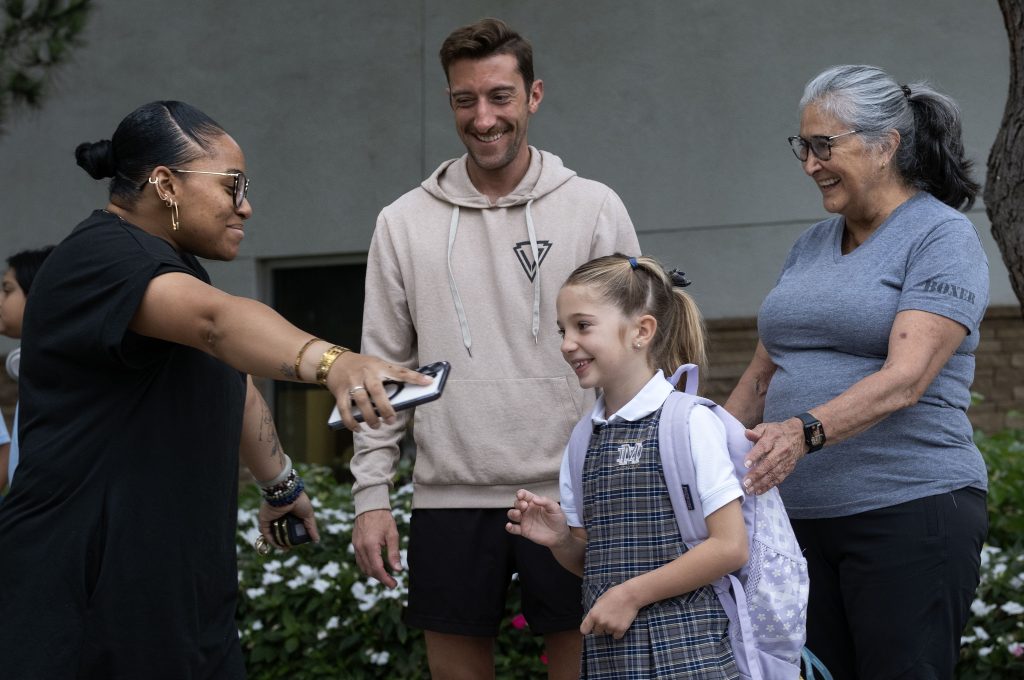
The first act occurs in infancy. Much earlier than the first “I love you,” we were being loved. The child discovers the world when someone looks at him, holds him. Our basic capacity to trust is awakened in the family.
When there’s a lack of care in the first years, the heart learns to protect itself; when there is an abundance of tenderness, the heart learns to open itself. We learn to love by being loved.
We also learn through modeling. The way Mom and Dad treat each other, how they ask for forgiveness, how they dialogue or go silent, educates us, leaving seeds in our subconscious.
This initial love is absolutely necessary, but it’s still a love that is dependent: It needs the other to live.
The second act powerfully erupts in youth. It’s passionate love. We fall in love, idealize, dream. Often, we search in the person we love something we feel we lack. We want a perfect complement to our needs: security, joy, purpose, company. That’s why this love looks so much like a dream: We’re fascinated more by what we imagine than what we know is real.
Passion is the force that drives us to form couples and families. The problem emerges when we expect that the other will fill all our voids. We convert the person into a function: savior, refuge, sole source of happiness. If it stays there, love winds up being a demand. When the initial euphoria ebbs, many married couples are disappointed to discover that they never really knew who they had by their side.
Complaints emerge: “You don’t make me happy.” And we forget that no person can give us what a truly great love can offer.
The third act of love is maturity. It is love that becomes conscious and integrated. Here you don’t love the ideal, rather the real person, with his or her history and limits. Maturing means taking charge of oneself. In this phase it’s understood that loving is a daily decision more than a passing emotion.
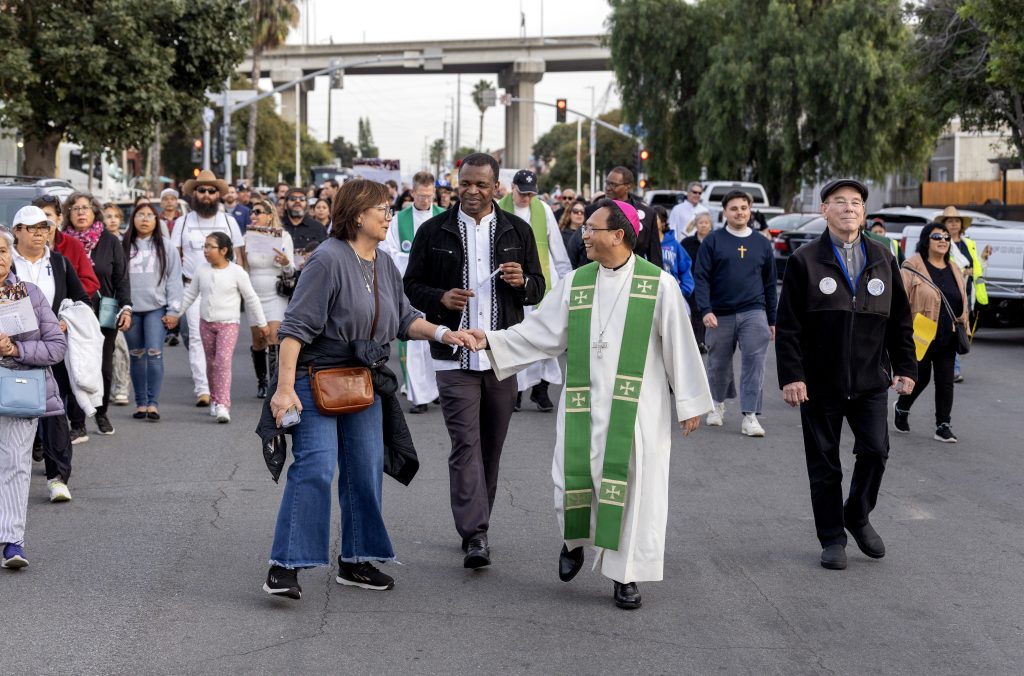
It’s the time where you can live and radiate Christian love: “agape,” loving the “other,” the one who is different, the immigrant, like you would yourself, with interior freedom.
Here, there is space for prophetic love, love that announces and denounces, that validates the rage at injustice, and nurtures the hope of a future that is fraternal and just, because it recognizes that the “other” is “the image and likeness of God.”
It’s also a love that suffers, but that experiences the profound joy of its transcendental mission and purpose.
No phase of love is superfluous. They are all necessary. Infancy teaches us to trust; passion teaches us to feel; maturity teaches us to surrender.
The flowers of February eventually wilt and chocolates are eaten, but the love that grows perseveres because it’s rooted in the intimate experience of God’s love, which expands toward the other, toward community, toward the world.